

Why Home Projects Stall — and What Changes When Decisions Are Supported
Most home projects don’t stall because the work is too big or the list too long. They stall because families get stuck in the decisions that come before the work ever begins.
It often starts quietly. You know things need to change or be updated. You can picture the end result. But between here and there is a swirl of unanswered questions that makes it hard to move forward:
Do we need a contractor for this, or is a handyman enough?
Is this a design decision, or a functional one?
What needs to happen first so we don’t undo work later?
Who should we even call — and what if we choose wrong?
When those questions pile up, momentum disappears before a project ever really starts.
A familiar situation
Last year, the threat of lost revenue and a tight timeline were holding a rental property back from its full earning potential. The home was overdue for a refresh, but the compressed turnaround raised the stakes of every decision and made updates feel risky without the right plan in place.
The goals were clear. The timeline was not flexible. And in a competitive rental market, the updates needed to make the home stand out — without blowing the budget or extending vacancy.
Why projects get stuck here
Busy parents are often navigating projects like this in the middle of change — growing needs, shifting schedules, evolving priorities. The decision load alone can feel overwhelming.
So projects sit. Or they start in the wrong order. Or resources gets spent in a way that kill momentum halfway through.
What’s missing isn’t effort. It’s decision support.
Clarifying the plan before touching the work
Before any work began, our role was to hold the decisions — clarifying what mattered now, what could wait, and how to sequence the work so nothing had to be undone later.
We started by clarifying the overarching vision and constraints:
protect the timeline
stay within a defined budget
focus on updates that would have the biggest impact on earning potential
With that clarity, we chose to concentrate on three key areas:
the kitchen
the bathroom
curb appeal and exterior presence
At the same time, we planned light refreshes throughout the home to create a cohesive, finished feel. Once the decisions were made upfront, everything else could move forward in the right order.
Kitchen: prioritizing impact over overhaul
In the kitchen, the goal was to balance time, energy, and resources.
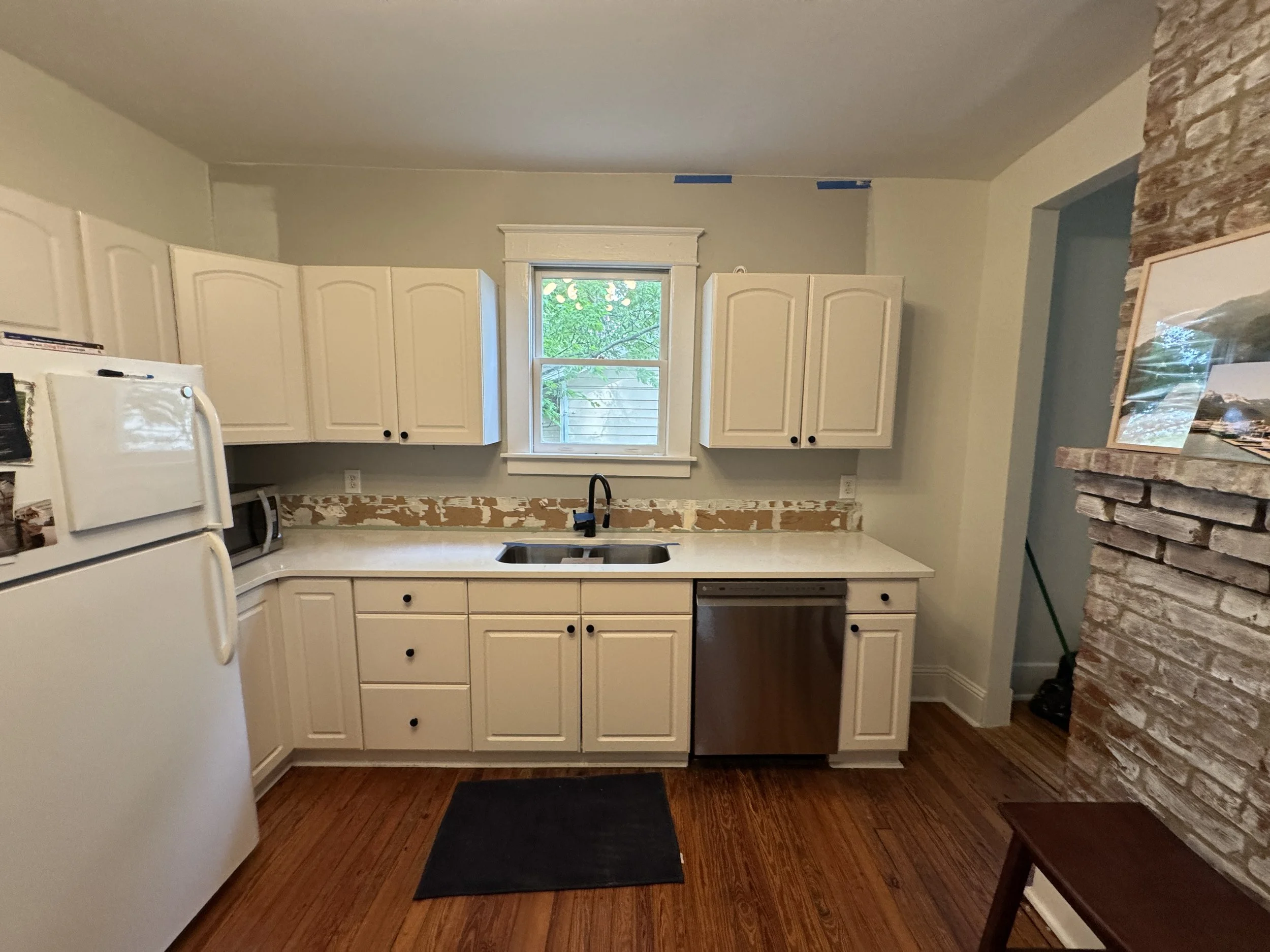
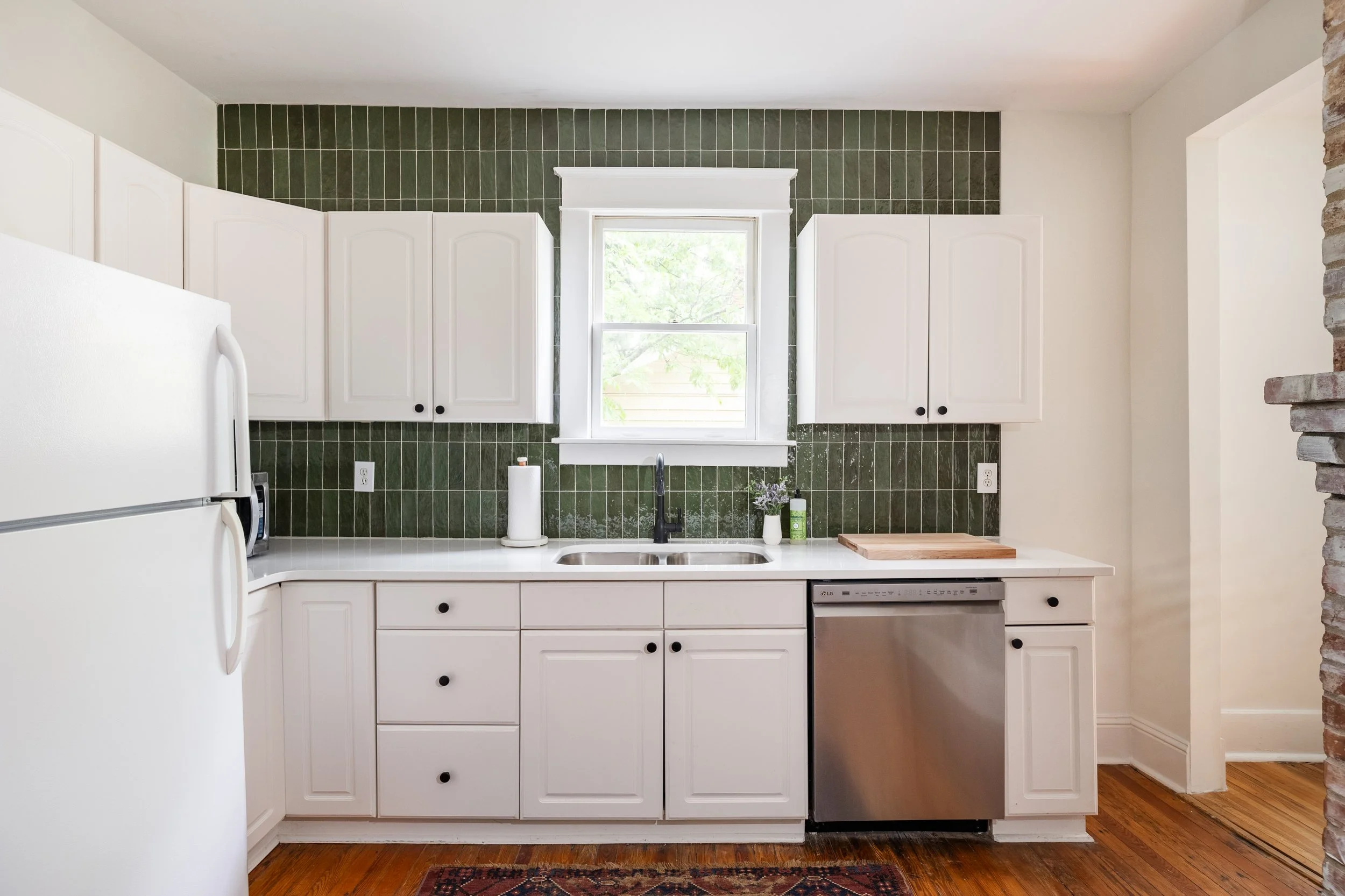
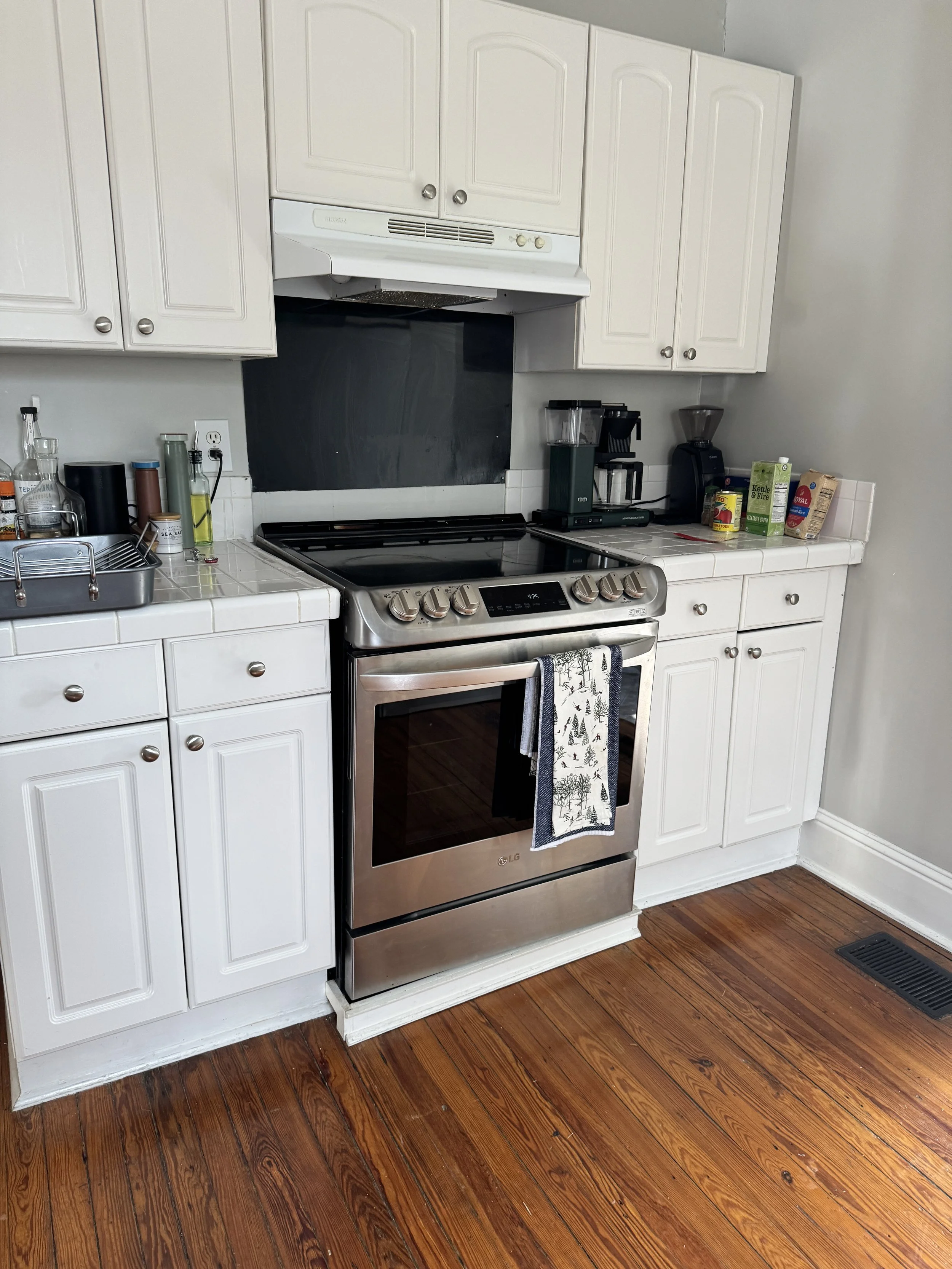
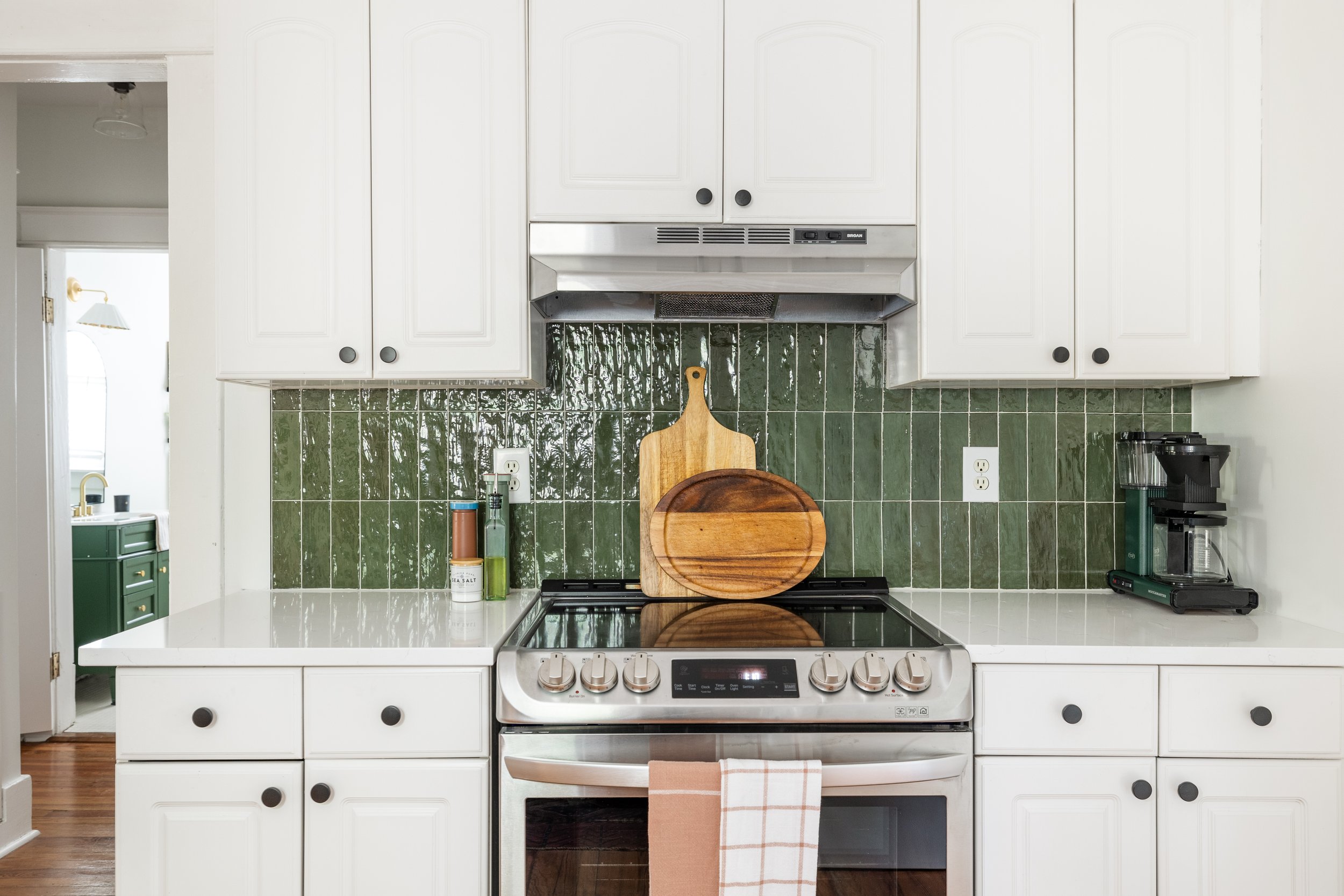
Rather than a full renovation, we worked with a designer to identify the updates that would deliver the most impact within the timeline. By focusing on key elements like countertops, backsplash, and updated hardware, we were able to dramatically refresh the space without slowing the project down.
Bathroom: improving function without overbuilding
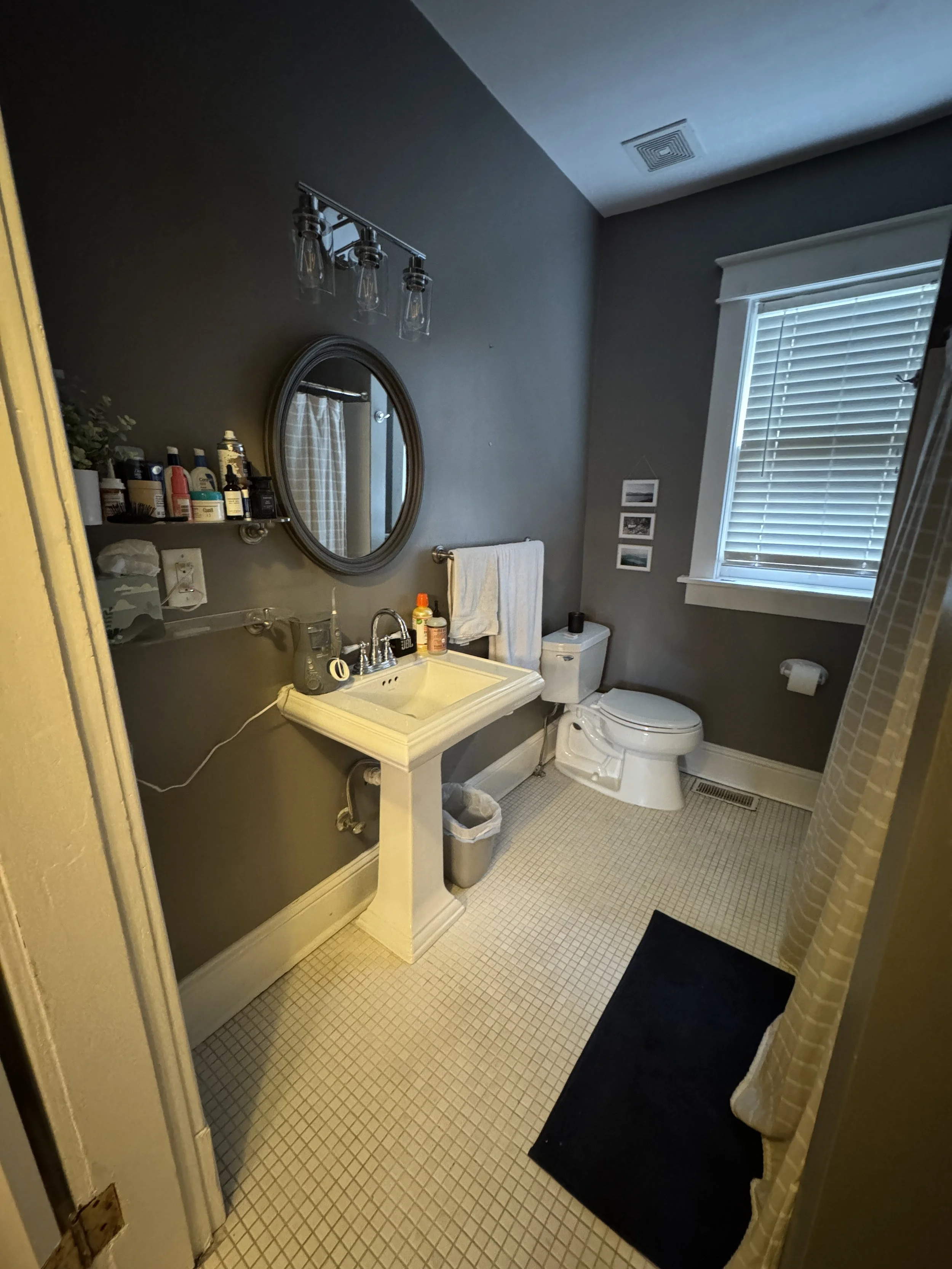
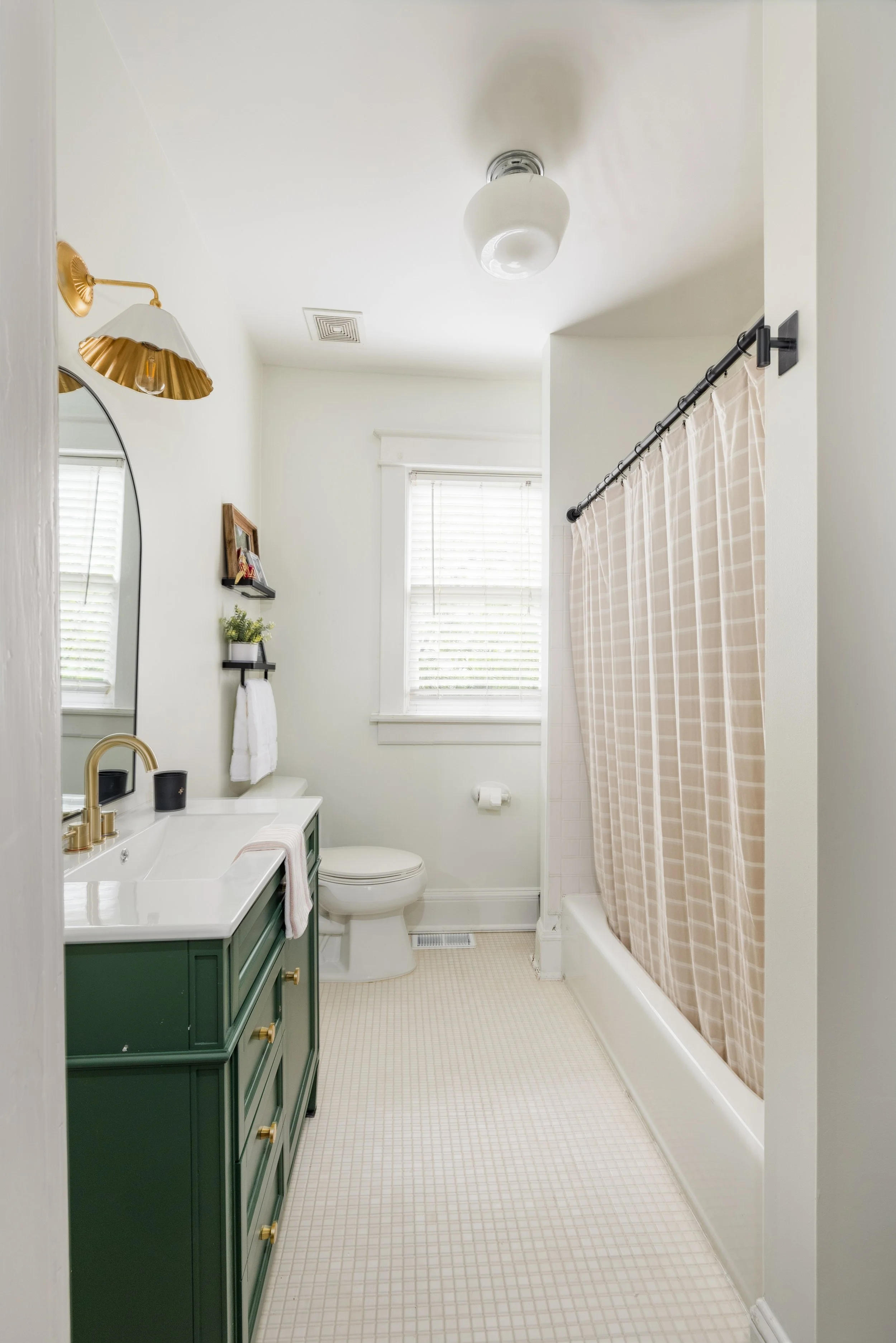
The bathroom faced a similar challenge. A dated vanity was holding the space back and limiting functionality. By replacing the vanity and working with a handyman rather than higher-level contractors, we avoided the added complexity of permits and long lead times — keeping the project moving while improving both form and function.
Exterior: creating a strong first impression
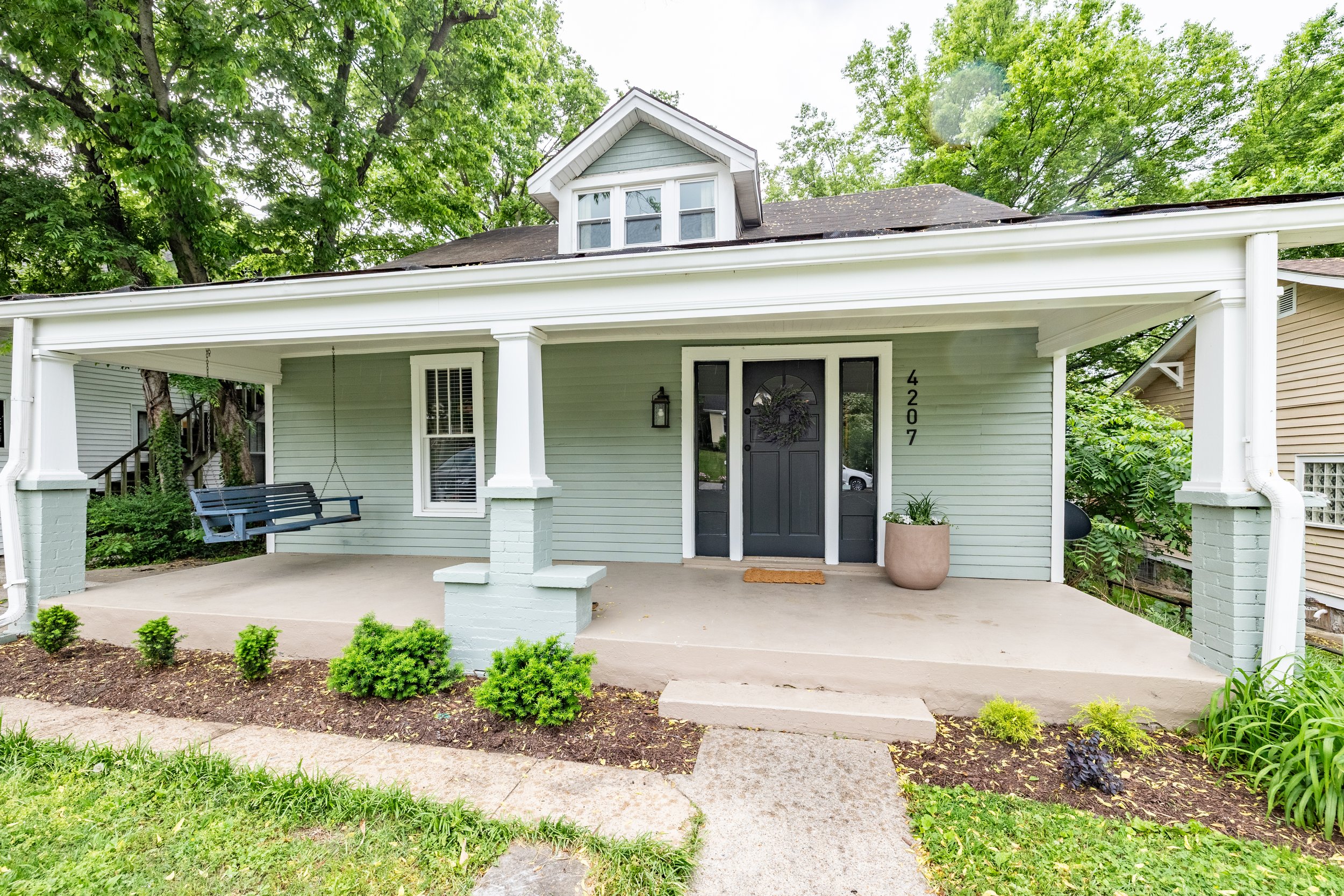
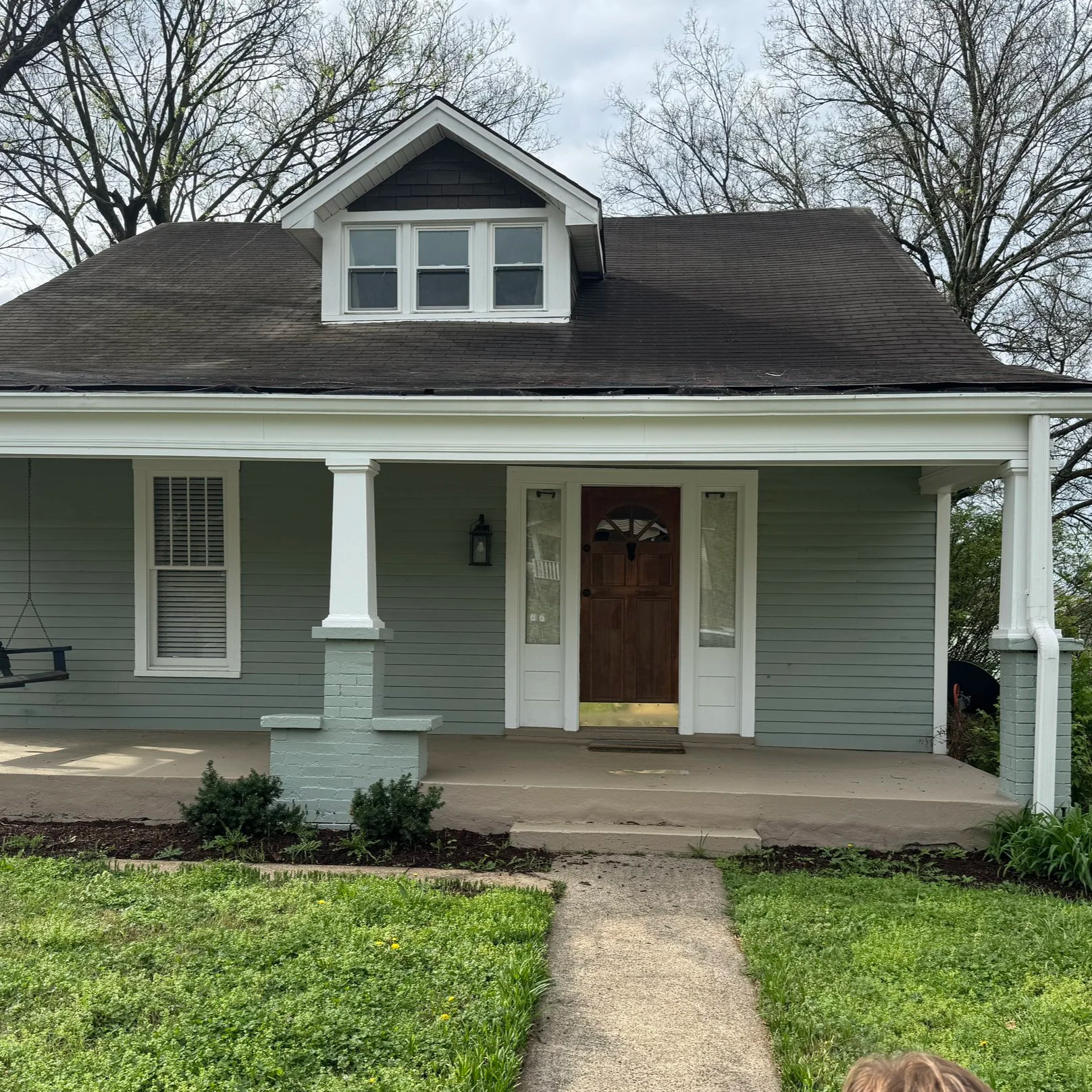
Curb appeal matters in this competitive market. With Realtor and design guidance, plus hands-on execution, we refreshed the front of the home through updated paint on the front door, improved lighting, and freshened landscaping — all using the same aligned team of providers.
The result was a cohesive, welcoming exterior that matched the updated interior and helped the property stand out.
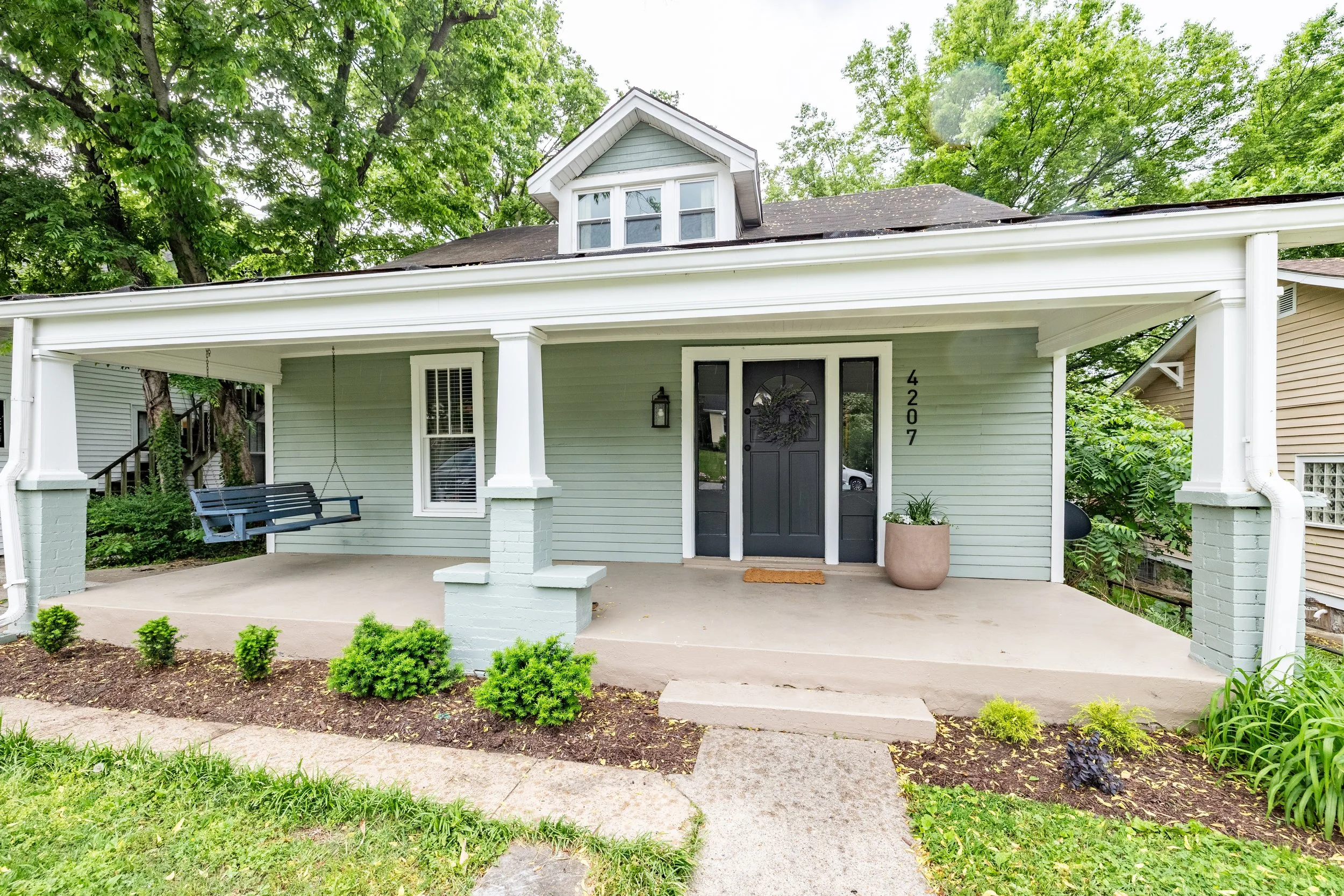
Executed with clarity, start to finish
With a clear plan in place, we aligned the right providers for each phase of the work and outlined a realistic, start-to-finish timeline.
The project was completed in 30 days, with only 30 days of vacancy. The home rented for $4,008 more per year — a 33% annual return on investment.
The visible before-and-after tells part of the story. But the bigger win was alignment. Clear decisions made early allowed the project to move forward smoothly, protect the timeline and budget, and deliver a strong return — without the false starts, stress and rework that so often derail home projects.
How we help
If you’re staring at unfinished projects, competing priorities, or a growing sense that your home needs a new plan, we can help.
Home Team supports families with decision-making, and project planning — holding clarity from start to finish so projects move forward without stalling or stress.
